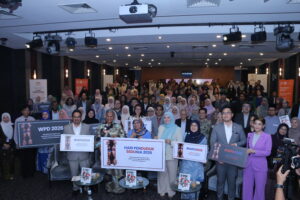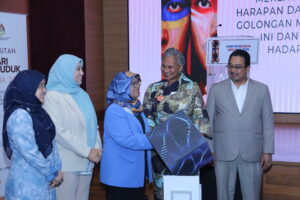
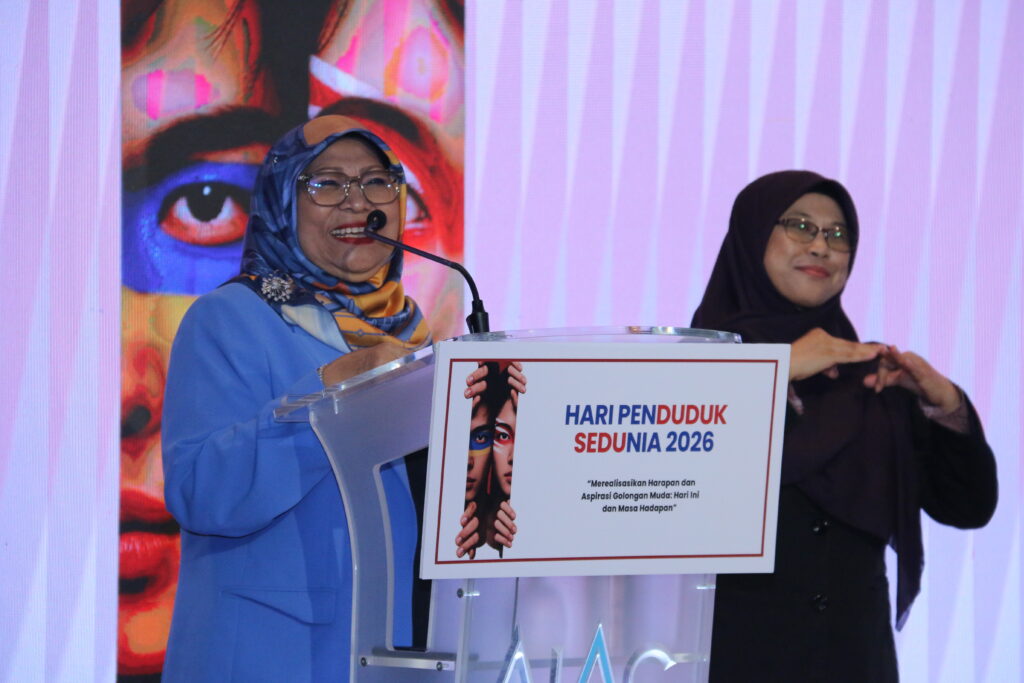
Kuala Lumpur, 14th) Datuk Seri Rohani, President of the National Population and Family Development Board (LPPKN), pointed out that according to the results of a survey conducted by the board in conjunction with World Population Day 2025, more than 90% of single people in Malaysia still yearn to get married and have children.
She pointed out that the survey collected opinions from 3,625 Singaporeans aged 18 and above, and found that 91.1% of single people hoped to have their own children. Meanwhile, among married respondents, 33.8% hoped to have one or more children, with an average ideal family size of 2.8 children.
However, she pointed out that 17.6% of respondents said they were unable to achieve their ideal number of children due to reasons such as insufficient family income, rising cost of living, busy work schedules, difficulty in conceiving, and health problems.
In her opening remarks today at the 2026 World Population Day celebrations, she stated that these survey findings echoed those of the United Nations Population Fund’s 2026 report, “Life, Choices and Futures.” That report found that nearly 90% of young people hope to have at least one child, and more than two-thirds intend to marry or live with a partner. While most young people still aspire to marriage and children, economic realities are delaying or hindering them from achieving these goals.
She said the agency’s findings reinforce the UN Population Fund’s call for countries to invest in young people’s life visions and remove barriers that prevent them from building their ideal lives and families.
“This includes providing quality education and skills training, decent jobs and stable employment opportunities, affordable le hou housing, convenient reproductive health and fertility services, a more comprehensive social security system, affordable childcare services, a comprehensive parental leave system, and more flexible work arrangements.
She said the government continues to strengthen the implementation of the National Family Care Policy and the National Family Action Plan 2026-2030.
Strengthen these efforts to solidify marriage and family, while planning, parenting. and family support throughout all stages of life.
This includes the SMARTSTART program, family education, marriage and family counseling, reproductive health and social education, Nur Sejahtera clinic services, assisted reproductive treatment, and the Infertility Treatment and Advocacy Program (BuAl) to assist couples in need.
“To ensure that young people have better opportunitieksand support so that they can get married, start families, and have children, thereby fulfilling their aspirations and the country’s development needs.”
UNFPA: Young people are not rejecting family.
Instead, they face the test of reality.
“Young people haven’t given up on marriage or having children: what has really changed is the way they experience the world.”
In her address, Dr. Juliata, the UNFPA representative in Malaysia, stated that according to the foundation’s latest survey report, the younger generation still values marriage and family and desires to have their own children. The issue is not that they reject family, but rather that they face the challenges brought about by the realities of their environment.
The survey covered 73 countries and more than 108,000 young people aged 18 to 39, including 1,000 young people from Malaysia, making it one of the world’s largest transnational comparative studies.
She said that Malaysia is moving towards an aging society, with the total fertility rate having fallen to 1.6, and the number of live births expected to decline by 9% between 2023 and 2024. According to projections, Malaysia’s population will peak in 2059 and begin to decline in 2060.
She called on the government and all sectors of society to work together to create a more comprehensive support system, including housing, employment, family care and social security, so that young people can plan their marriage and family with confidence and security.
Attendees included Zuvilia, Vice President of the National Population and Family Development Bureau; Haili Fazli, Deputy Director-General; and Associate Professor Noraini, Director of the Community Network Centre at the University of Malaya.
Sumber: GUANG MING